TAIPEI TIMES-Avoid the perils of drinking alcohol
本則報導全數圖文皆來自TAIPEI TIMES
發佈時間:2026/1/4
By Chen Chiao-chicy(陳喬琪) is an attending physician at Mackay Memorial Hospital’s Department of Psychiatry.
Translated by Eddy Chang
投書上刊連結:https://reurl.cc/aM8zpl
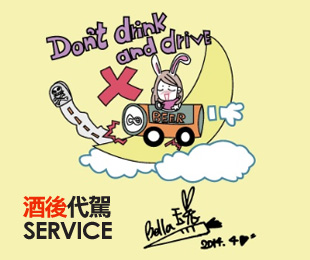
At the beginning of the year, there are usually various parties such as New Year celebrations and year-end banquets before Lunar New Year. I would like to call on the public: Whether your cheeks take on a red flush when you drink, never drive after drinking and never drink before driving.
At many banquets, we can often observe different drinking styles of Taiwanese. Some people drink heavily to warm up the atmosphere, claiming that they would never get drunk, and even drive after drinking.
The casualties caused by drunk driving are intolerable. A decade ago, the annual number of drunk driving casualties in Taiwan was more than 20,000. Through the public’s collective efforts, the figure has declined in the past few years, dropping from 289 deaths and 11,225 injuries in 2020 to 160 deaths and 9,083 injuries in 2024. This trend indicates a gradual decline of drunk driving, while continuous efforts are still necessary.
In the past few years, “alcohol intolerance,” has been mentioned often, with some arguing that the facial flush from drinking might be harmful to the body. However, there are two scenarios of facial flushing after drinking among Taiwanese. One group experiences a gradual flush upon drinking and is able to continue consuming alcohol.
The other quickly develops a flush — as well as red ears, nausea, dizziness, headache, racing heart, drowsiness and even emotional agitation — upon drinking just a little alcohol. For this group, drinking is unpleasant, thus turning them into non-drinkers. Some of them also avoid dishes such as rice-wine chicken or duck. The latter group has been given a reason to avoid alcohol’s harm. Many ethnic groups in East Asian countries display such alcohol-related physiological phenomena.
Such “alcohol flush reaction” after drinking is not related to liver function. Instead, it is related to a type of enzyme in the liver that metabolizes alcohol into its metabolite acetaldehyde. Genetic variations in the enzyme that metabolizes alcohol are innate and might have complex correlations with the formation of alcohol addiction, but they have no direct connection to bodily harms.
A study shows that for Taiwan’s Han people, the percentages of those who do not become flushed slowly or quickly after drinking are 24, 31 and 45 percent respectively. As for indigenous people, the percentages are 40, 45 and 15 percent respectively. More importantly, 71 percent of Han drinkers do not become flushed after drinking, while 74 percent of indigenous drinkers become flushed slowly. It can be said that people who do not become flushed or do so slowly after drinking correlate with the subsequent development of alcohol addiction.
So, for those who do not become flushed or do so slowly after drinking, the real problem that deserves attention is what might happen to them if they keep drinking every day for five to 10 years.
I once tracked alcoholics with an average drinking history of 20 years, who consume 200g of pure alcohol every day. Subsequent toxicological studies found that the toxicity of alcohol itself can directly damage their tissues, cause organ injuries or cell degeneration leading to cancer. In other words, alcohol not only negatively affects human behavior and emotions, it also significantly harms the human body, regardless of whether one becomes flushed after drinking.
I would like to call on the public once again: Whether your face turns red upon drinking, never drive after drinking and never drink before driving.
Chen Chiao-chicy is an attending physician at Mackay Memorial Hospital’s Department of Psychiatry.
Translated by Eddy Chang